
From digital transformation to AI-enabled operations.
Build an AI operating roadmap around one workflow, its source data, decision rights, system connections and evidence needed for a wider release.
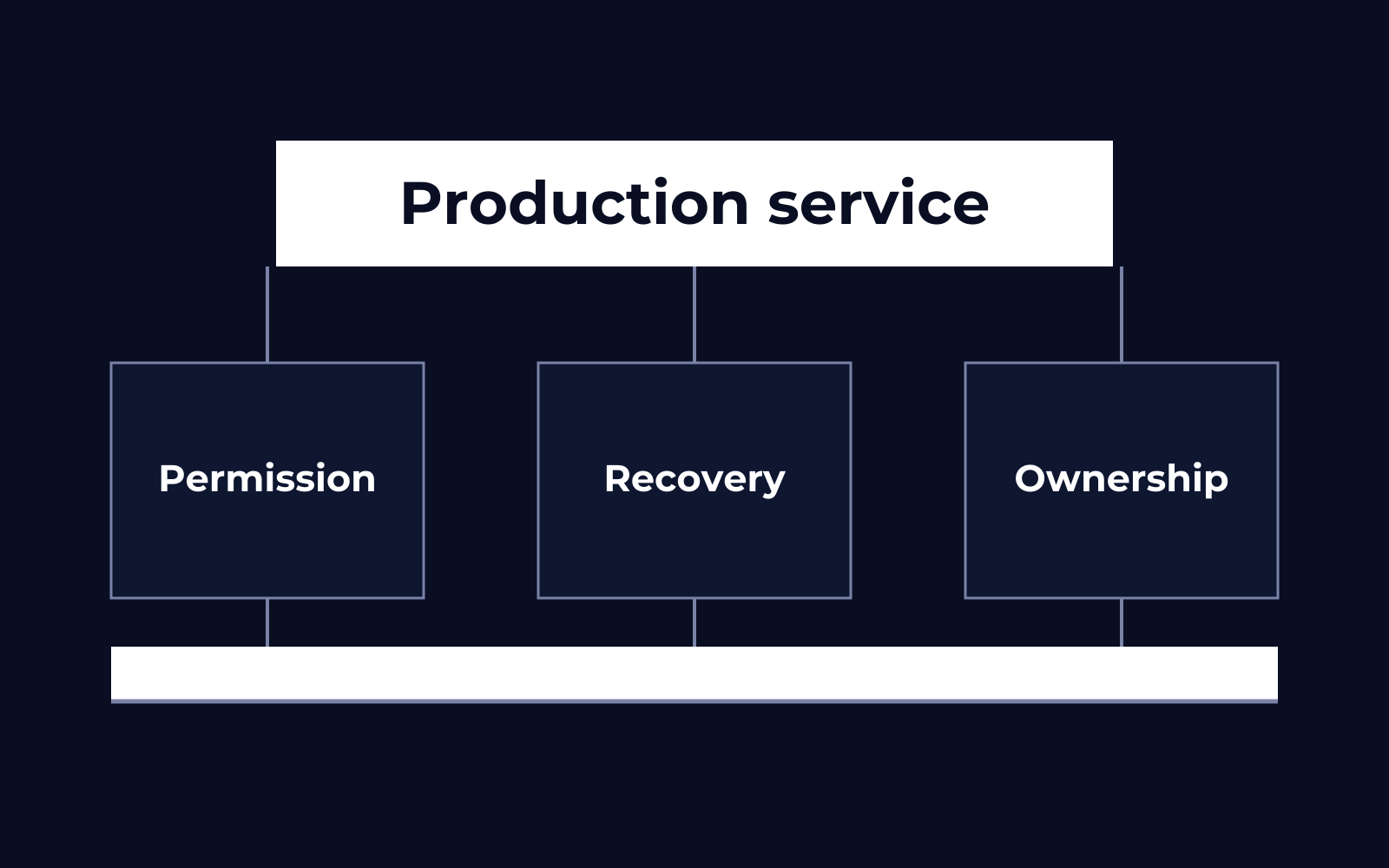
Move from digital transformation to AI-enabled operations by choosing a specific piece of work to redesign. Identify what people should do differently, what the software may prepare or change and how the business will evaluate the result. Adding an assistant to an existing application is useful only when it improves that task.
Digital investments may already have changed processes, connected records and automated routine actions. Keep the capabilities that work. The next assessment should identify where variable documents, incomplete information or repetitive interpretation still create effort, then compare AI with a clearer rule, a repaired integration or a simpler interface.
Describe the operating change before the technology
Consider a hypothetical equipment-service team receiving requests through email. Staff read the description, identify the customer and machine, find the relevant service history and decide which specialist should review the request. Information may be missing or inconsistent.
A useful first change could prepare a reviewable service request with its source material and unresolved fields. The team still confirms the machine, urgency and routing. Success depends on the time and correction effort required to reach an accepted request, including difficult cases. It does not require every decision to become autonomous.
Work through four connected responsibilities
- Source information: identify the records the task needs, their owners, update frequency and access limits. Resolve which source takes precedence when details conflict.
- Decision rules: separate information extraction, recommendations and authorized actions. Define which judgments remain with staff and who can approve a change to those boundaries.
- System connections: determine how the result reaches the application that owns the work. Plan for duplicate requests, missing identifiers and a connection that fails after part of a transaction.
- Operations: agree evaluation cases, monitoring, correction paths and the person responsible after release. Include model, infrastructure, support and review costs.
These responsibilities can use existing applications and infrastructure. A new shared platform should have a specific requirement and an owner before it becomes part of the roadmap. Start with the smallest architecture that can support the agreed task and its failure cases.
Sequence the roadmap around evidence
Begin with observation and a baseline. Review ordinary requests alongside missing attachments, ambiguous identifiers and revised instructions. Record how staff resolve each case today and which decisions require information outside the system.
Next, evaluate the proposed workflow against representative records in an approved environment. Check the prepared output, the remaining review burden and the behavior when a source is unavailable. Compare the options on the same cases before deciding what deserves production access.
Release to a defined group with named operators and a usable fallback. Increase volume or permitted actions only after the team can explain the errors, recover failed work and demonstrate that the operating burden has improved. Calendar milestones should reflect access, integration and adoption dependencies rather than a standard transformation timetable.
Give managers decisions they can actually make
The process owner decides which work changes and accepts the result. Technology and security owners approve access and implementation conditions. Operators test the exceptions and help define corrections. Finance helps distinguish released time from a change in spending when cost reduction is the goal.
Keep those responsibilities visible in a short operating brief. Record the task, source systems, action boundaries, acceptance cases, baseline and owner. Update it when the workflow changes so the operating model remains understandable after the original project team leaves.
Expand from a working task
After the first release, examine what another workflow can use: an approved data connection, identity controls, evaluation cases or a maintained component. Check the next team’s requirements before making it shared. The purpose of the roadmap is a sequence of useful operating changes, with each investment supported by what the previous release established.
Which part of the work should change next?
Bring the workflow, the systems already in place and the burden your team wants to reduce. We can define the next operating change and the evidence it needs.