

Start a conversation
Product Strategy

Decide what to build and why it deserves the investment.

Bring user needs, business priorities and technical realities into one product direction. Define the problem worth solving, the first useful experience and the evidence needed to guide investment.

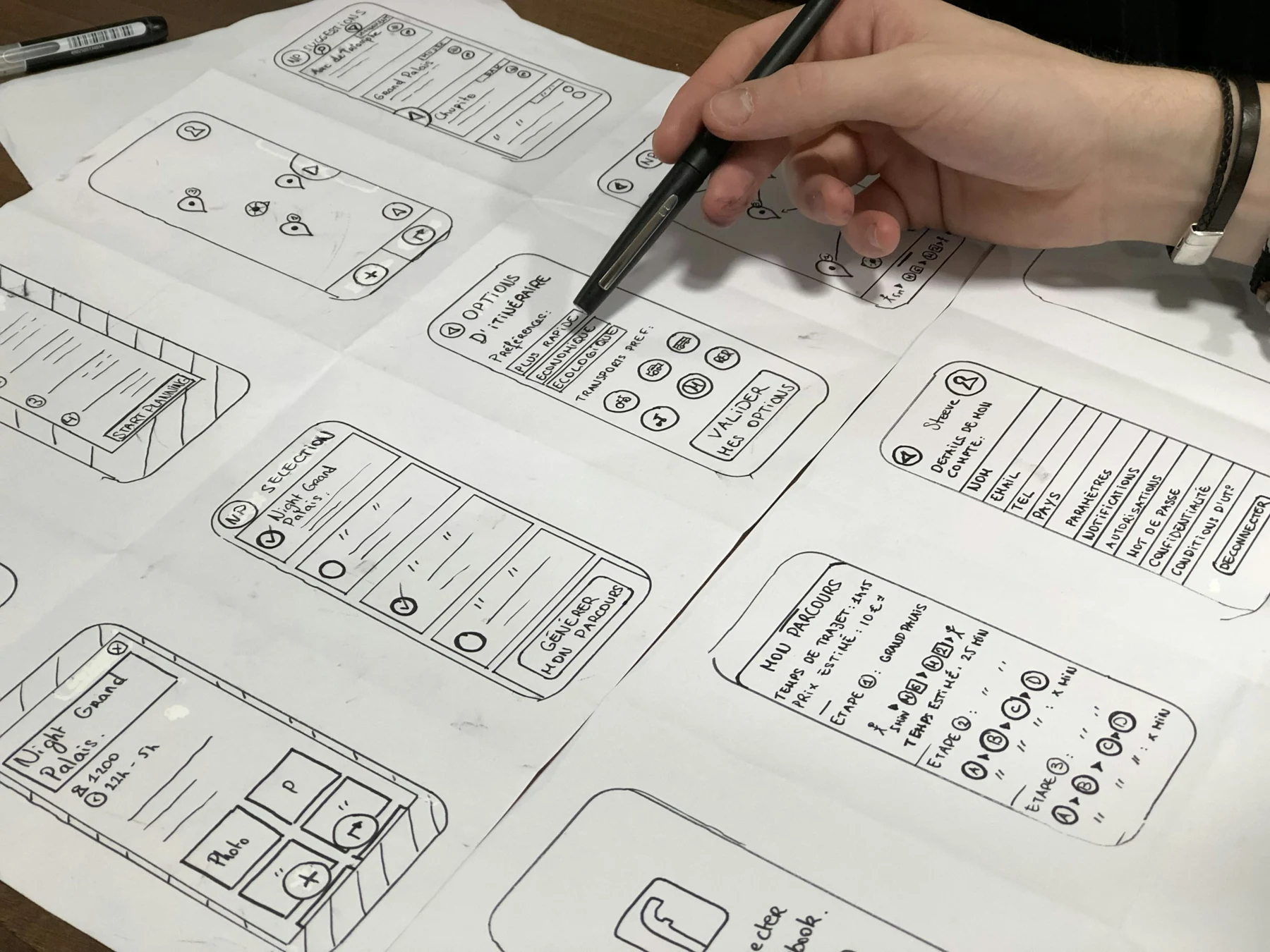
A hand points with a pen to hand-drawn mobile interface prototypes on paper.

Product implementation experience

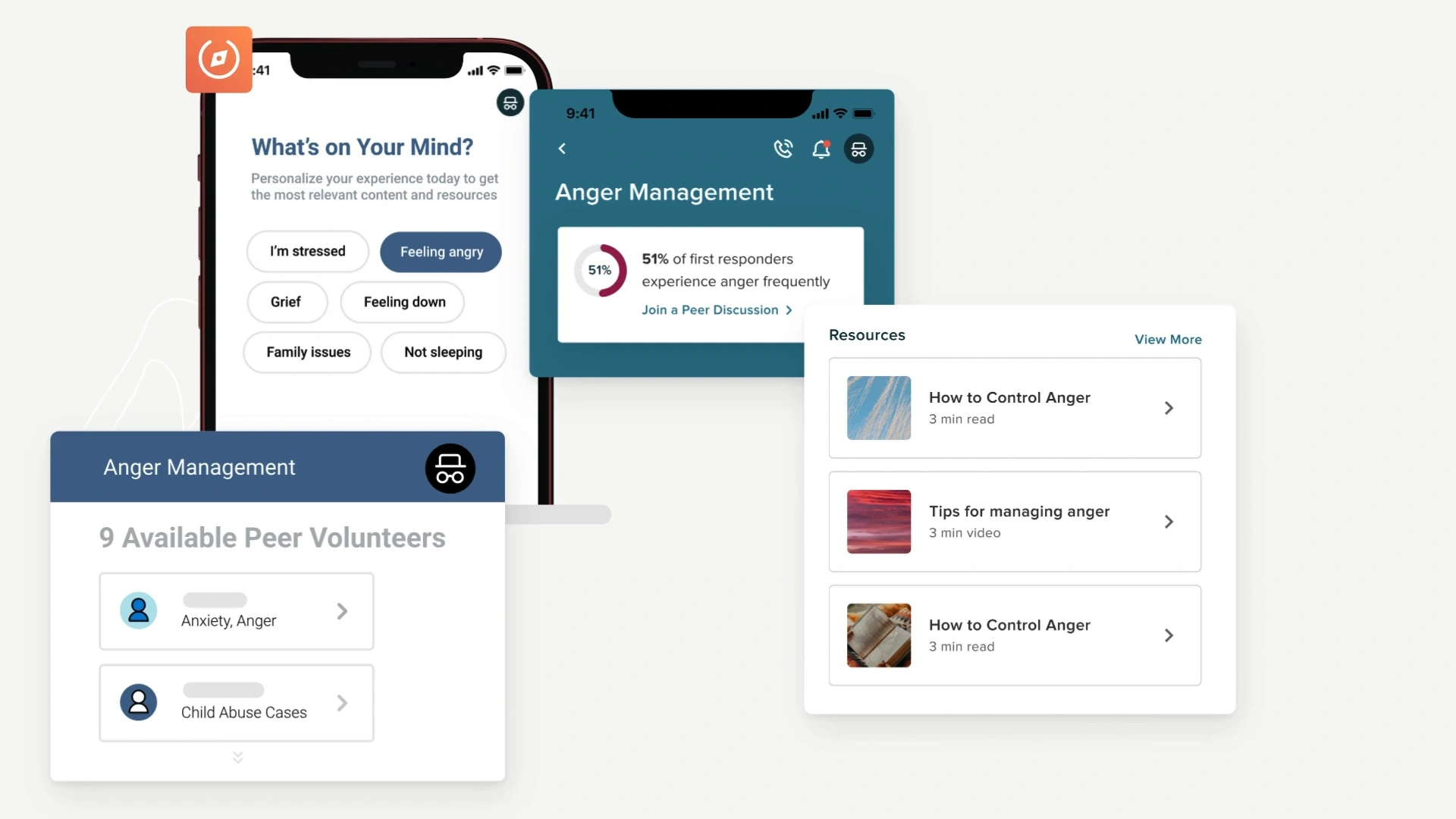
PowerLine by NEOGOV wellness application screens, shown as official product context
Product implementation experience

Design the tools behind wellness and workforce scheduling.

Xivic contributed wellness administration and workforce scheduling interfaces, plus the endpoints, data and permissions those workflows needed.

Explore the NEOGOV work

Wellness and scheduling workflows. Product image shown for platform context.

Trevanna Tracks project context
Product implementation experience

Software that understands the exceptions in a licensing workflow.

Independent licensing and payment rules, supporting documents and navigation changes in Trevanna Tracks.

Explore the Trevanna Tracks work
When this matters

Test the product decision before committing to the build.

A feature request is often a clue to a larger task. Work with users and the business to identify the decision, the constraint and the current workaround. A prototype can test the proposed experience before the team commits to its full implementation. The release plan should explain what you will learn as well as what you will ship.

What the work includes

A defined problem and audience

Identify the users, important jobs and constraints behind the request. Distinguish observed needs from assumptions that require research.

A testable product concept

Map the proposed experience and use prototypes to examine critical decisions. Assess technical dependencies and the operating model needed to support the product.

A prioritized release plan

Connect features to intended outcomes, dependencies and learning goals. Define a first release and the evidence that should guide what follows.

The working record includes the problem statement, evidence and assumptions, prototype findings and release priorities. Your product owner makes the investment decisions; Xivic makes the user and technical tradeoffs explicit enough to support them.

How we measure progress

Test whether intended users understand the concept and can complete its critical task. Separate prototype findings from adoption and business results that can only be observed after release.

Concept comprehensionPriority task successFeature adoption

When to start elsewhere

User Research & Testing

If the investment depends on an untested assumption about user needs, gather evidence before prioritizing features.

Custom Software & Applications

When the first release, business rules and acceptance criteria are ready, turn the product definition into a working application.

What do you need to know before committing to the build?

Bring the concept, the proposed users and the investment decision. We will define what needs to be tested and what a first release should establish.

Start a conversation