Start a conversation
SaaS & Platform Modernization

Move your platform forward. Keep the business moving.

Your software still matters to the business. But changing it may be getting harder. We help you decide what to upgrade, what to replace and how to release the change around the customers, people and systems that depend on it.

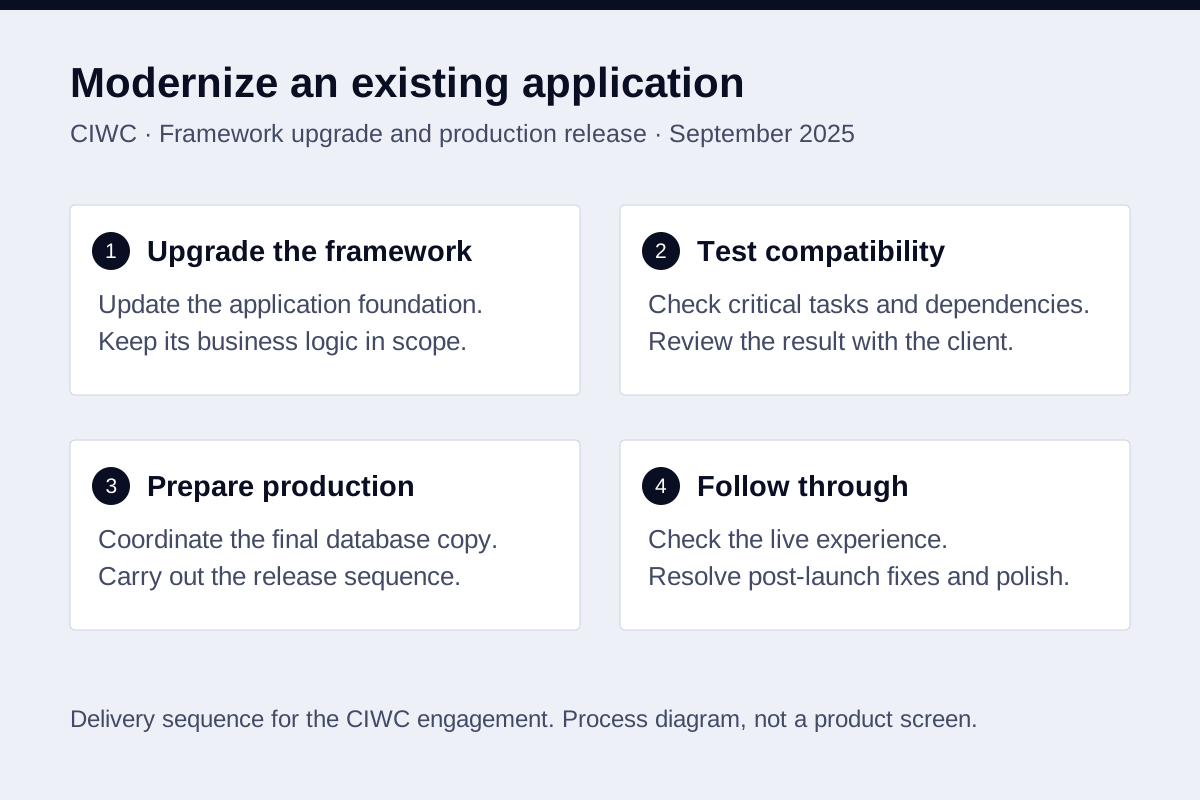
CIWC release sequence: upgrade frameworks, test compatibility, prepare production and resolve post-launch fixes.
CIWC. Application upgrade live in September 2025.

Relevant client work

CIWC
CIWC modernization sequence: upgrade the application framework while retaining business logic; test critical tasks and dependencies; coordinate the final database copy and production release; check the live experience and resolve post-launch fixes.
CIWC
Client work

Upgrade the platform without losing the business logic.

Xivic upgraded the frameworks behind CIWC’s existing application, tested compatibility and coordinated the move to production. The upgraded system went live in September 2025.

Explore the CIWC work

Application frameworks upgraded. Production release September 2025.

Trevanna Tracks project context
Client work

Software that understands the exceptions in a licensing workflow.

Independent licensing and payment rules, supporting documents and navigation changes in Trevanna Tracks.

Explore the Trevanna Tracks work

Start with the decision you need to make.

Can we improve what we have?

Review the code, dependencies, data and critical user tasks. Identify the parts worth keeping and the constraints that make change difficult.

Is it time to replace or rebuild?

Compare a staged replacement with a rebuild against the product roadmap, operating risk and maintenance cost. Make the tradeoffs visible before committing.

How will the systems fit together?

Map integrations, permissions and data ownership. Plan the migration and release around the systems and people that rely on the platform.

Modernization scope and deliverables

  1. A platform decision and release plan

    A recommendation, the decisions behind it, a prioritized scope and the first release to validate.

  2. Framework and application upgrades

    Implemented changes, tests of critical behavior and a plan for the issues uncovered along the way.

  3. Product and workflow improvements

    Working changes to the screens, business rules, data and connected services involved in a customer or employee task.

  4. Migration or staged replacement

    Data mapping, reconciliation checks, release boundaries and agreed cutover and recovery arrangements.

The agreed handoff includes the changed code, test findings, migration or release instructions and operating responsibilities. Your team approves the behavior to preserve, access to production and acceptance of each staged release.

Agree what must keep working.

Protect the critical behavior

Document the tasks, business rules, permissions and integrations that existing users depend on. Use these as acceptance criteria for the upgrade or replacement.

Plan the release and recovery

Identify data migration checks, cutover responsibilities and a recovery path. Agree who monitors the change, resolves defects and authorizes the next release.

What we need before recommending a rebuild.

Start with access to the current application, its code and dependency records, and the people who understand its hardest business rules. Add known incidents, maintenance constraints and planned product changes. The assessment should show which limitations require replacement and which can be addressed in the existing platform.

Know what is improving.

Choose the measures before implementation. Critical task completion, release lead time, failed imports or support effort may matter most. Establish the baseline and measurement method with the people who own the work.

Keep product and technical decisions connected.

Bring the people responsible for the product together with the specialists who will change it. Clear decisions and working releases keep the business and technical work connected.

Meet the technology lead.

Florin Raicu

Florin Raicu

Technology & AI

Architecture, system integration and engineering implementation.

What does your platform need to do next?

Bring the business goal, the current system and the constraints you already know.

Talk through your platform